Jul 1, 2024
Madiyar Ismagulov
Feed
Warburg AI — Docs
Introduction to Warburg AI
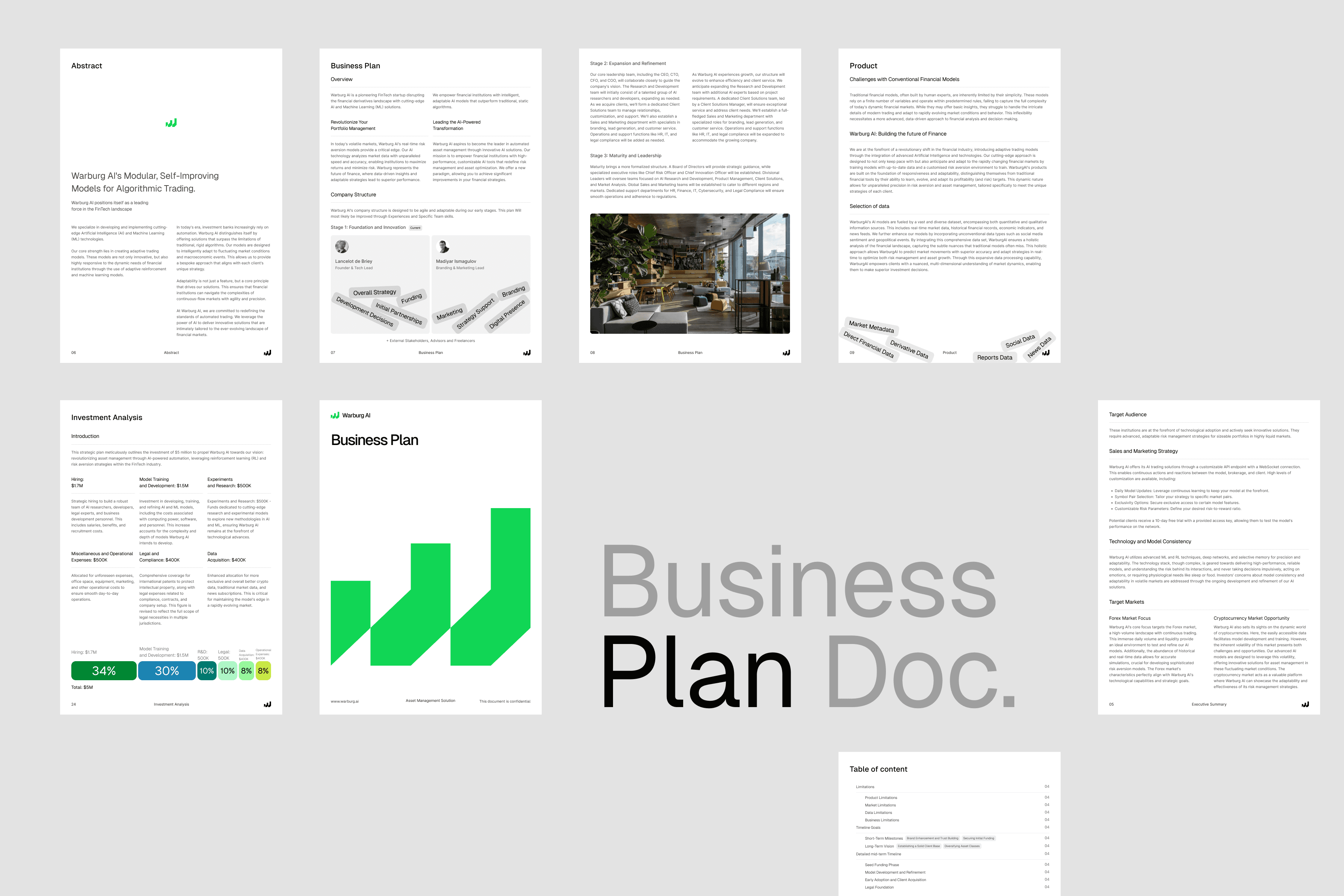
I’m excited to share some progress on a project I've been working on called Warburg AI. It’s an AI designed specifically for trading, aimed at helping users make smarter investment decisions. While I'm still in the early stages, I wanted to talk about the process of designing and printing the business plan for Warburg AI. It’s been an interesting journey, and I think you'll find it intriguing.

The Journey of Creating a Business Plan
Initial Brainstorming
The first step in creating the business plan was a lot of brainstorming. I spent time thinking about what Warburg AI could be and how it might fit into the current trading landscape. This involved jotting down ideas, researching market trends, and considering what potential users might need.
Research and Gathering Information
Once I had a basic idea, I moved on to gathering as much information as possible. This meant diving deep into market research, studying competitors, and understanding the latest trends in AI and trading technologies. I read a lot of articles, reports, and case studies to get a clear picture of what’s out there and where there might be gaps that Warburg AI could fill.
Outlining the Plan
With all this information at hand, I started outlining the business plan. This step was about organizing my thoughts and structuring the plan in a logical way. I made sure to cover all the essential aspects without going into too much detail. The outline served as a roadmap for the actual writing process.
Writing the Draft
Writing the first draft was a challenging but rewarding process. I focused on clearly communicating the vision and goals of Warburg AI. This involved a lot of trial and error, revising sections multiple times to ensure clarity and coherence. It was important to strike a balance between being thorough and keeping it concise.
Getting Feedback
Once the draft was ready, I sought feedback from trusted friends, mentors, and industry experts. This was an invaluable step as it provided fresh perspectives and highlighted areas that needed improvement. Their insights helped refine the plan and made it stronger.
Revising and Polishing
Based on the feedback, I went through several rounds of revisions. This stage was about polishing the content, improving the flow, and ensuring that every section was clear and compelling. I also paid attention to the visual layout, making sure the document was easy to read and navigate.
Printing the Plan
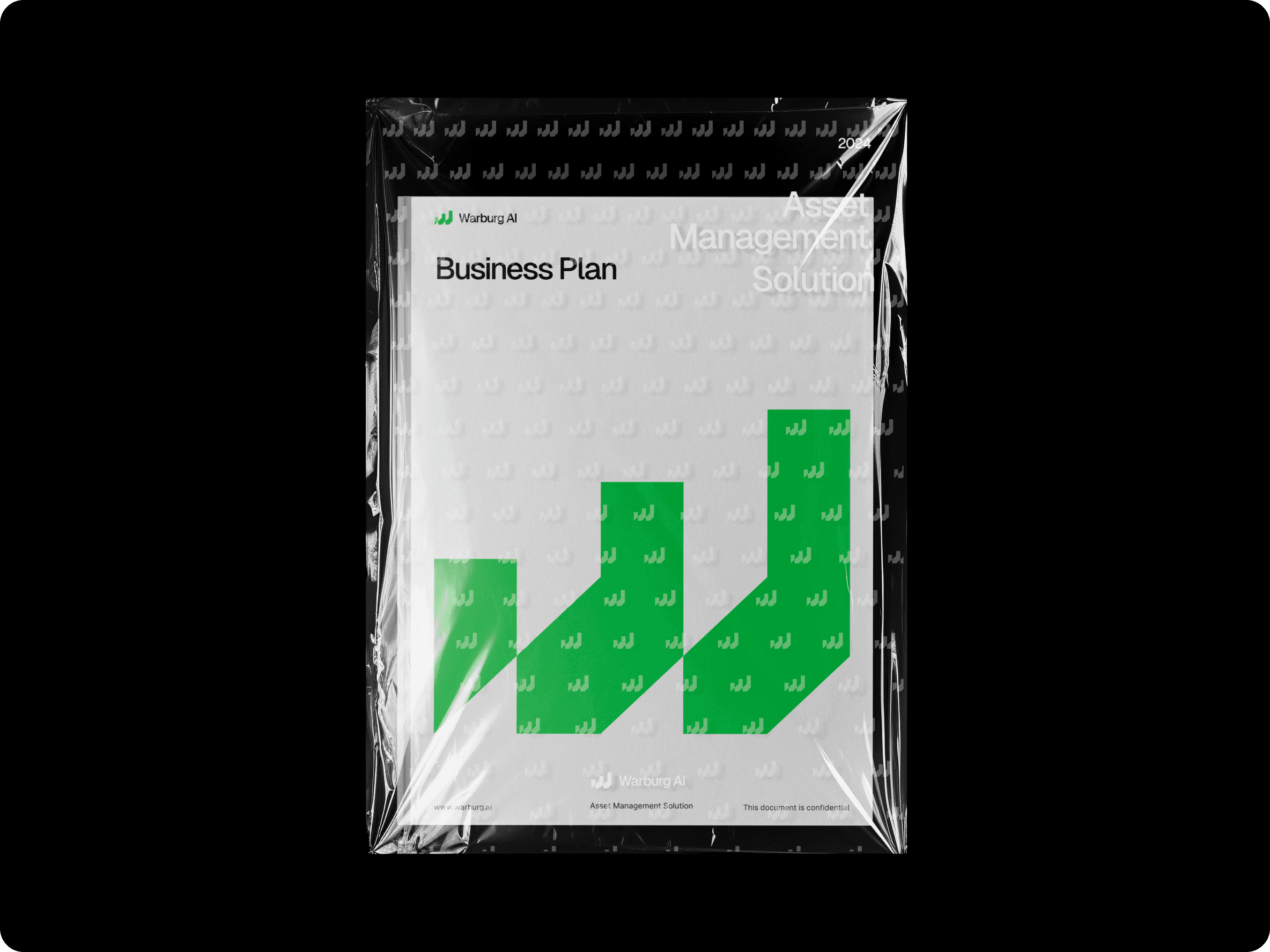
There’s something special about seeing your work in print. Printing the business plan allowed me to review it in a new light. I found that having a physical copy helped me catch small errors and think critically about the content. It also made it easier to share with potential investors and partners.
Reflection and Moving Forward
Lessons Learned
Creating the business plan for Warburg AI has been a learning experience. It taught me the importance of thorough research, clear communication, and the value of feedback. It’s a process that requires patience and perseverance, but seeing the finished product is incredibly satisfying.
Next Steps
With the business plan in place, the next steps involve moving from planning to execution. This means starting the development of Warburg AI, building the team, and setting up the technical infrastructure. It’s a long journey ahead, but having a solid business plan provides a strong foundation.
Sharing the Journey
I’ll continue to share updates as Warburg AI progresses. It’s exciting to see an idea come to life, and I hope sharing this journey will be helpful to others working on similar projects. If you have any questions or suggestions, feel free to reach out. Your feedback is always appreciated.